
-

-
 Istanbul / Turkey
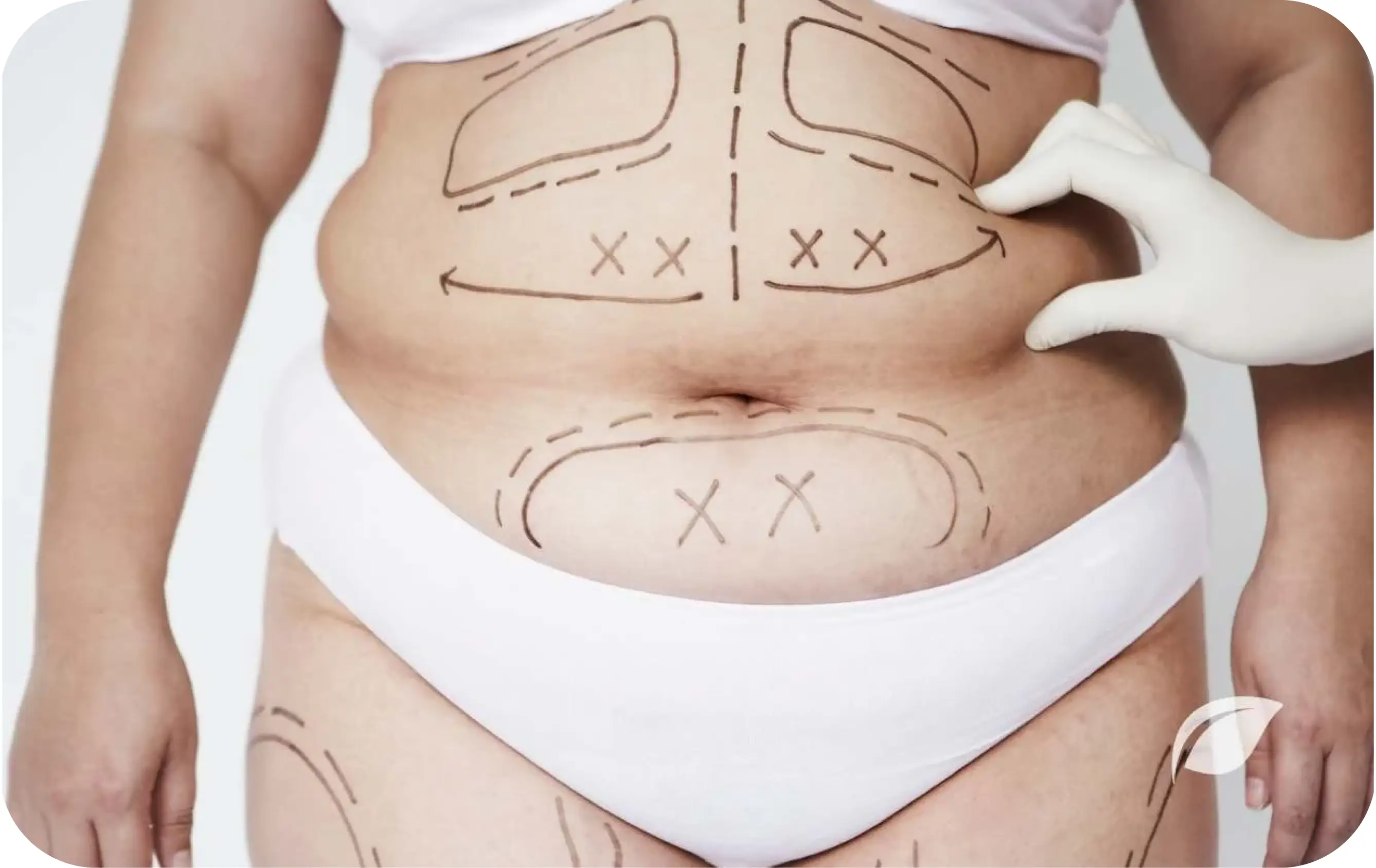
Traditional Liposuction, also known by just Liposuction, is the most well known Aesthetic Surgery. Liposuction aims to remove fat from certain areas of the body by suctioning the fat through small incisions. Liposuction is usually performed to remove fat from the abdomen, arm, buttocks, calves, ankles, chest, back, hips, thighs, chin, or neck. Liposuction is also occasionally applied during Breast Reduction and Gynecomastia surgeries.
Liposuction requires the patient to be able to undergo local or general anesthesia. The patient should be within 20 - 25 lbs (10 kg) of their ideal weight as Liposuction is not a weight loss surgery, but a cosmetic surgery. Additionally, Liposuction helps equalize uneven fat distribution in the body.
Liposuction can be combined with almost any other Aesthetic Plastic Surgery as the tiny incisions on the target area do not put a heavy strain on the body, and are enough to apply Liposuction. Liposuction is often combined with Face Lift, Breast Reduction, Tummy Tuck, Thigh Lift and Arm Lift surgeries.
Before the surgery, the patient should:
Be at the hospital a day before their surgery for the pre operative tests to be performed.
Stop smoking and consuming alcohol at least 2 weeks before the surgery to alleviate the risk of a blood clot.
Avoid medication containing aspirin or ibuprofen (Advil, Motrin IB, others) for two weeks before and after surgery. These medications may increase the risk of internal bleeding. Patients should confirm each medication and supplement they wish to take with their Patient Coordinator.
Stop taking Multivitamin supplements 7 days prior to the surgery, and if it contains vitamin K should not be used for 30 days following the surgery.
Stop taking oral contraceptives 30 days before the surgery.
After general or local anesthesia is administered, the surgeon makes small inconspicuous incisions. A thin concave tube, cannula, is then inserted through the incisions to drain the excess fat using a controlled back-and-forth movement. The fat is dislodged through the back-and-forth movement and is then suction out of the body through a syringe attached to the cannula or a surgical vacuum. While Liposuction removes fat, it also induces fluid loss, IV fluids are administered during the surgery to prevent the body from going into shock from dehydration.
Traditional Liposuction surgery, on average, takes 1 to 3 hours.
After the surgery, pain, swelling, and bruising are to be expected, additionally tube drains might be placed at the end of the surgery to prevent the accumulation of blood or other body fluids. After the surgery, the patients are recommended to:
Wear compression garments that are provided after the surgery, for the first few weeks after surgery to help decrease swelling.
Minimize exposure to sunlight and heat, as they might exacerbate swelling.
Avoid strenuous physical activity for two weeks after surgery.
It might take 2 to 3 weeks for the swelling to go down, therefore the results of the surgery will not be visible until then.
While Liposuction is a minor surgery, it has certain risks associated with it. These risks include, but are not limited to:
Fluid accumulation near the skin, Seroma
Bleeding
Fat embolism
Contour irregularities.
Blood clots
Infection
Swelling
Poor wound healing
Scarring
Changes in skin sensation
Damage to nerves, blood vessels, and muscles.
Adverse reaction to anesthesia